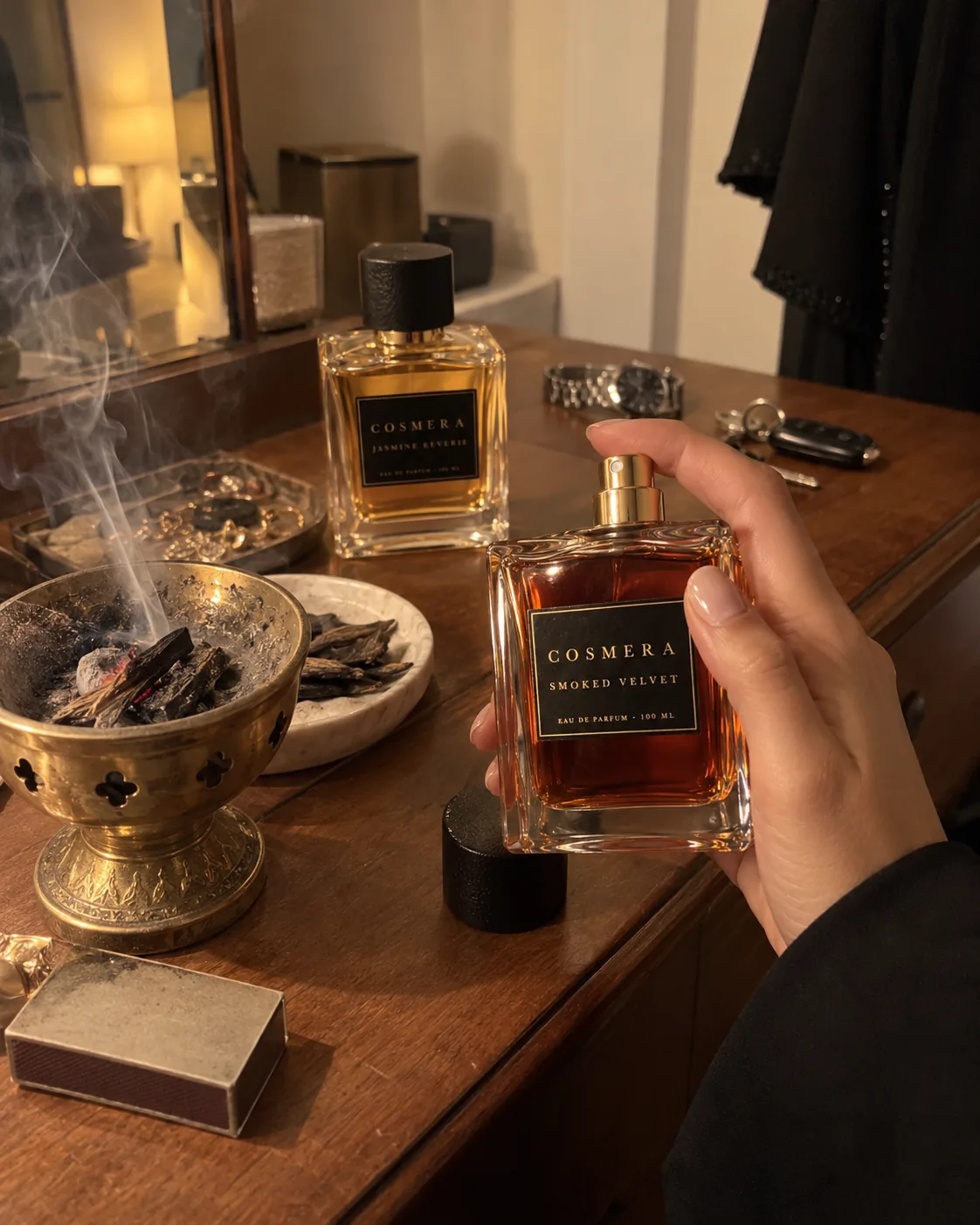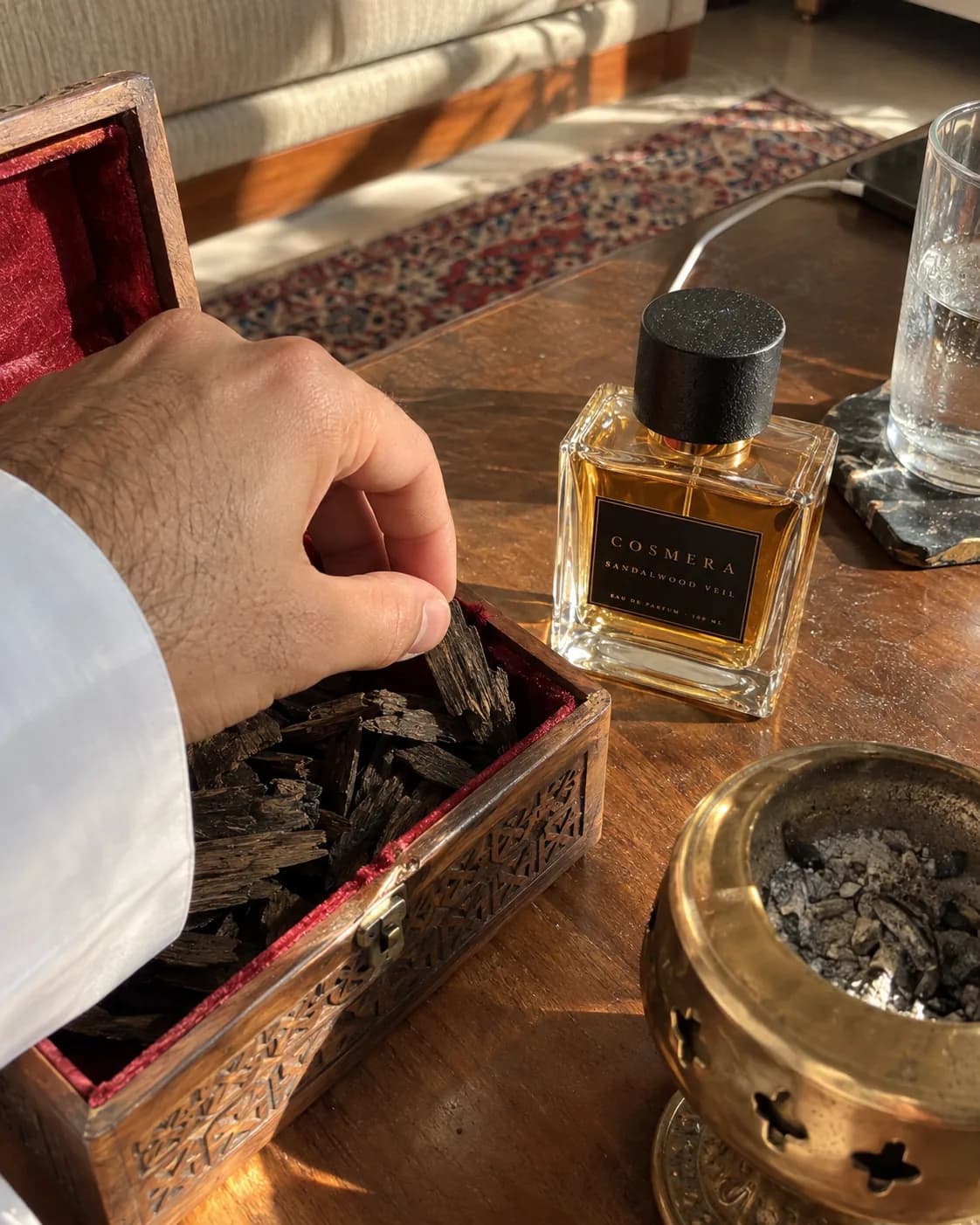
For most of its history oud belonged to the Gulf and South Asia. Families burned the chips at weddings and on Fridays, rubbed the oil into the collar of a kandura, and kept the good stuff in a locked drawer. Western perfume houses mostly left it alone. It was expensive and hard to find, and it smelled nothing like what their customers were used to.
That began to change in 2002, when Yves Saint Laurent put oud into M7, a men’s fragrance a lot of buyers didn’t know what to make of at the time. A few years later Tom Ford released Oud Wood. After that it became a race, and by the 2010s almost every big house had an oud of its own, often several.
What is actually in the bottle
Real oud comes from agarwood, the dark resin that forms inside Aquilaria trees when they are infected by a particular mould. A healthy tree has none. That is why good oud is so rare, and why wild Aquilaria is now protected under CITES, the international agreement that controls trade in endangered plants and animals.
So when a fragrance that costs a few hundred dirhams says oud on the label, it almost always means an oud accord. Perfumers build it from other materials to give the smoky, leathery, slightly animal feel of the real thing. Some of these accords are very good. Some smell like a burnt plastic chair. The label won’t tell you which.
The word oud on a label tells you the mood of a perfume. It says very little about what went into it.
Why the West wanted it
Part of it was money. The Gulf has long been one of the biggest spenders on fragrance per person anywhere in the world, and the big houses wanted more of that. Making something that spoke to local taste was the obvious move.
The other part is that people elsewhere simply liked it. Oud gave Western perfumery a dark, dry depth it didn’t really have, one that lasts all day. Once people in London or New York tried it, plenty of them never went back.
What we think
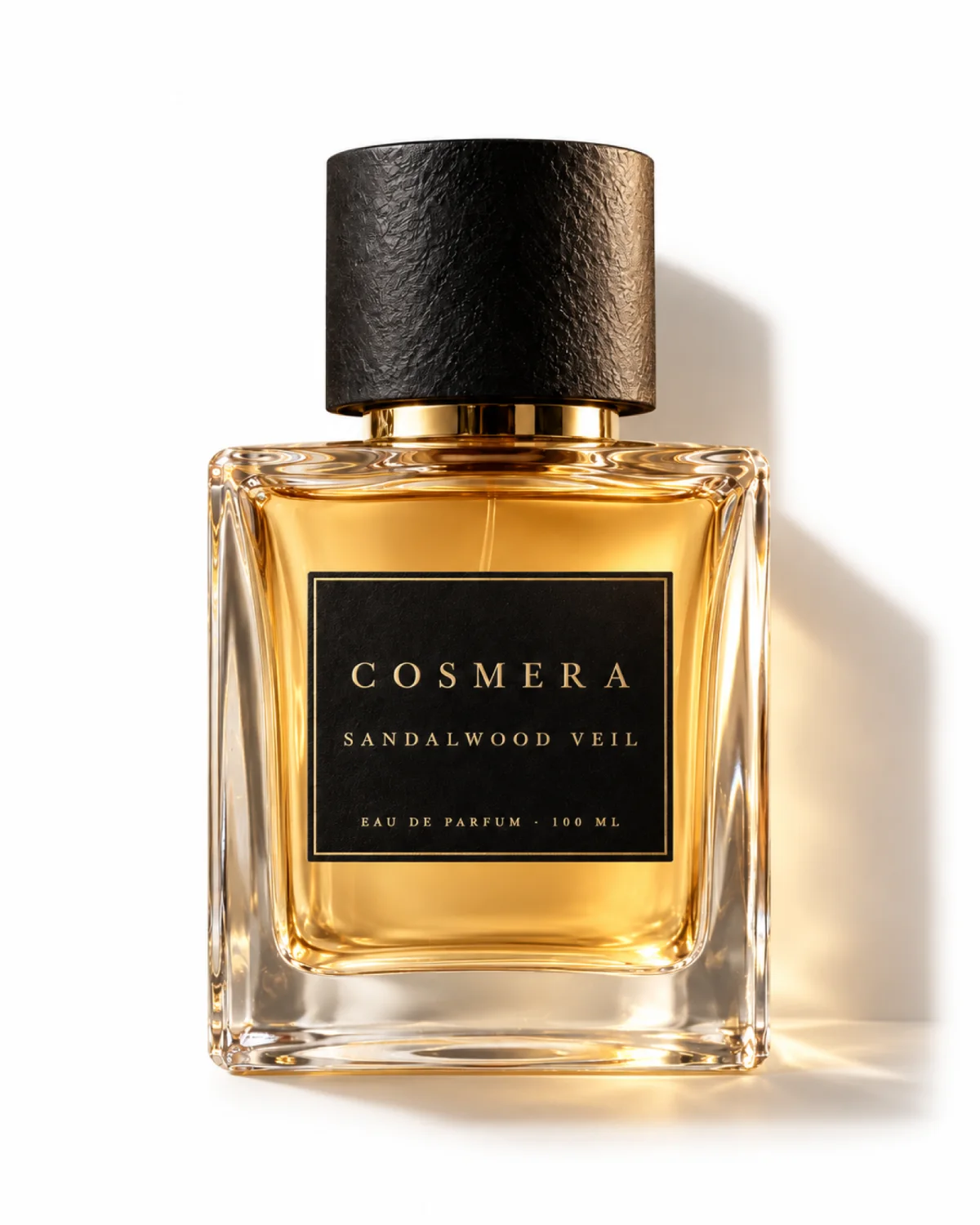
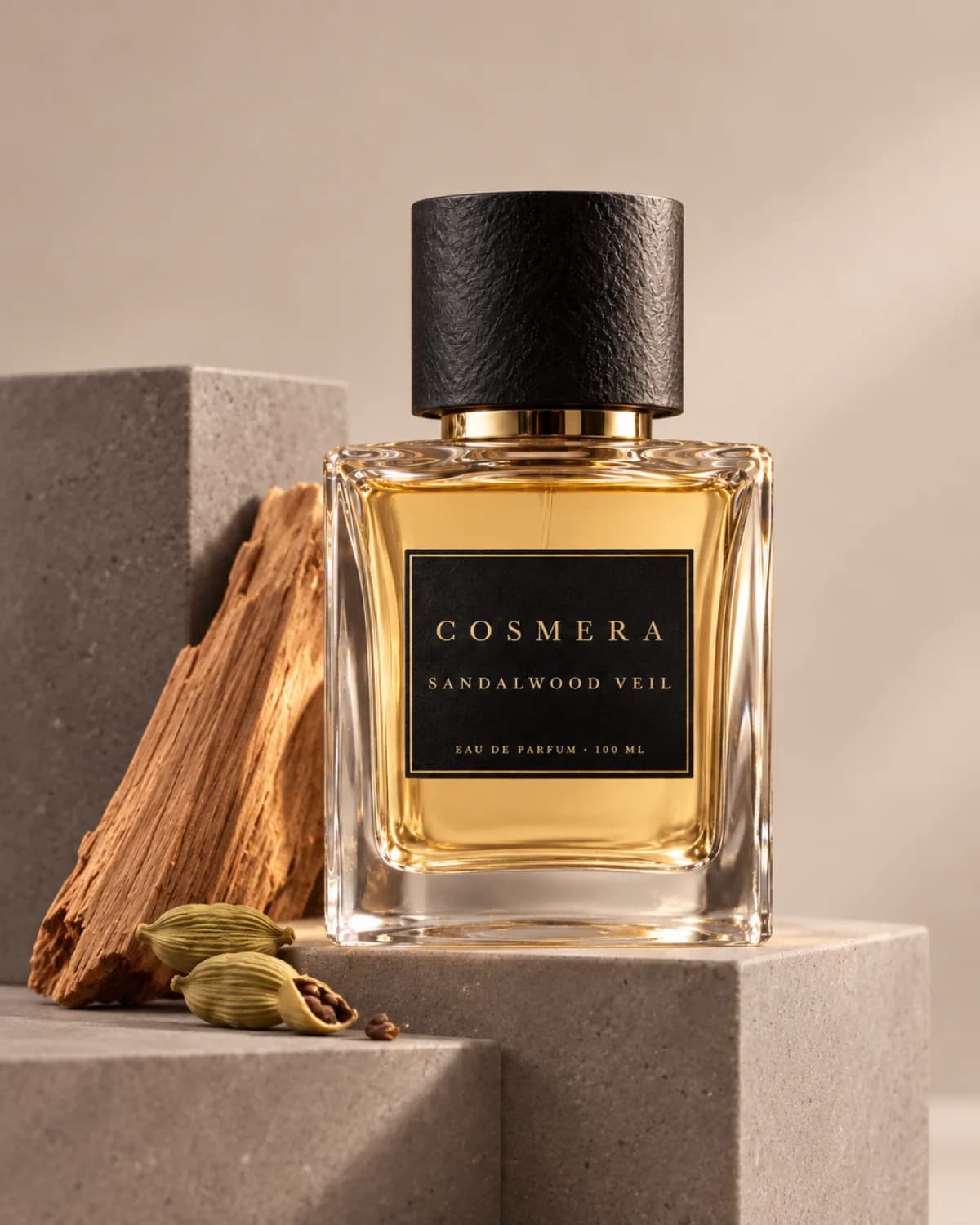
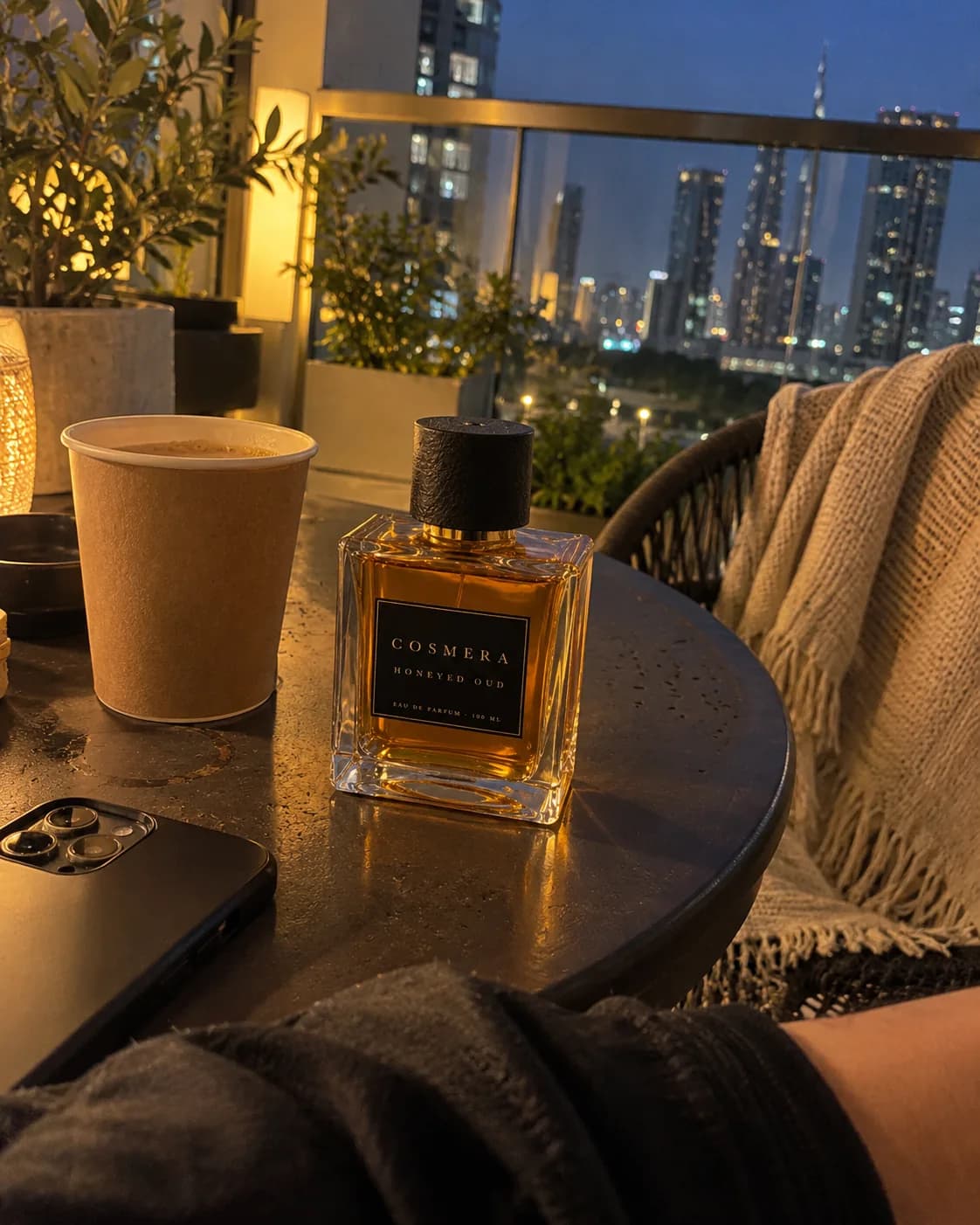
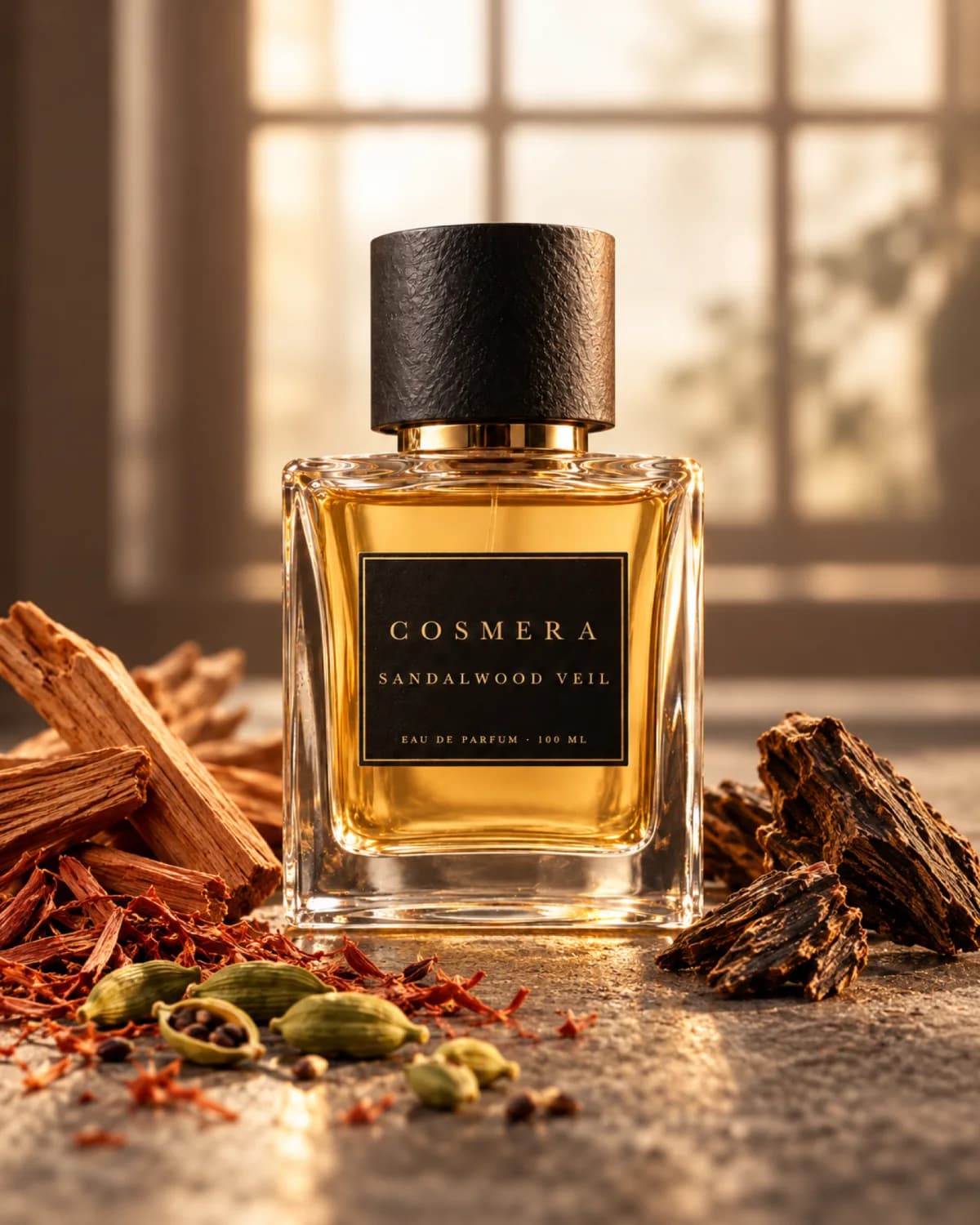
We are not purists about it. Our Cosmera Oud collection pairs oud with rose, saffron, sandalwood and amber, the way it has been worn here for generations. What matters is that you know what you are buying. If a bottle leads with oud, the notes should tell you what sits next to it, and whether it is smoky, sweet or woody.
If you are new to it, start with an oud that has rose or sandalwood around it. They soften the edges. The darker, smokier ones are worth trying once you know you like the heart of it.