From June to September most of us wear the same few fresh scents on repeat. Citrus, something green, something that smells of the sea. Anything heavier feels like wearing a wool coat at noon. Then the evenings soften, people start eating outside again, and the bottles we ignored all summer begin to make sense.
Why heat and cold change a perfume
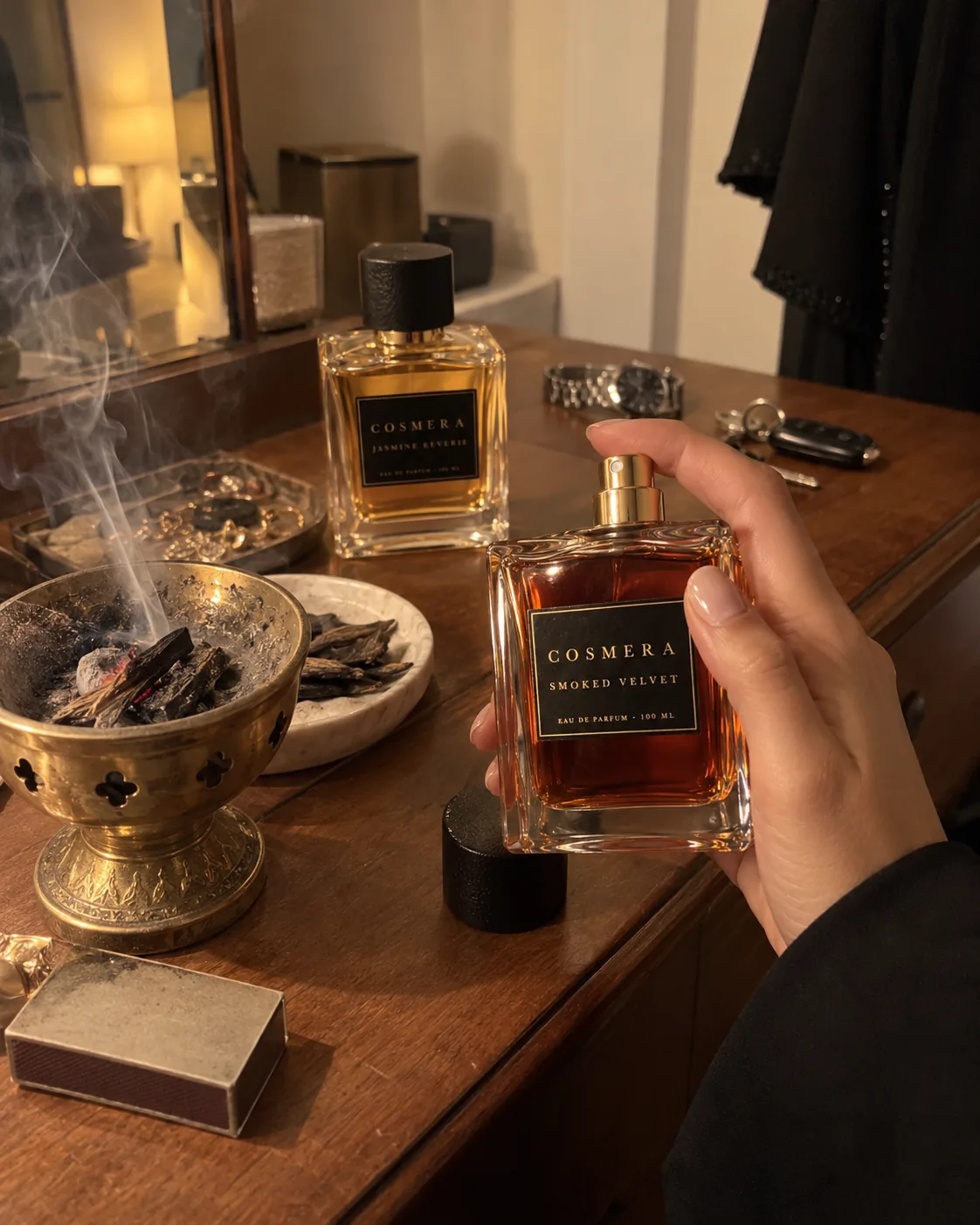
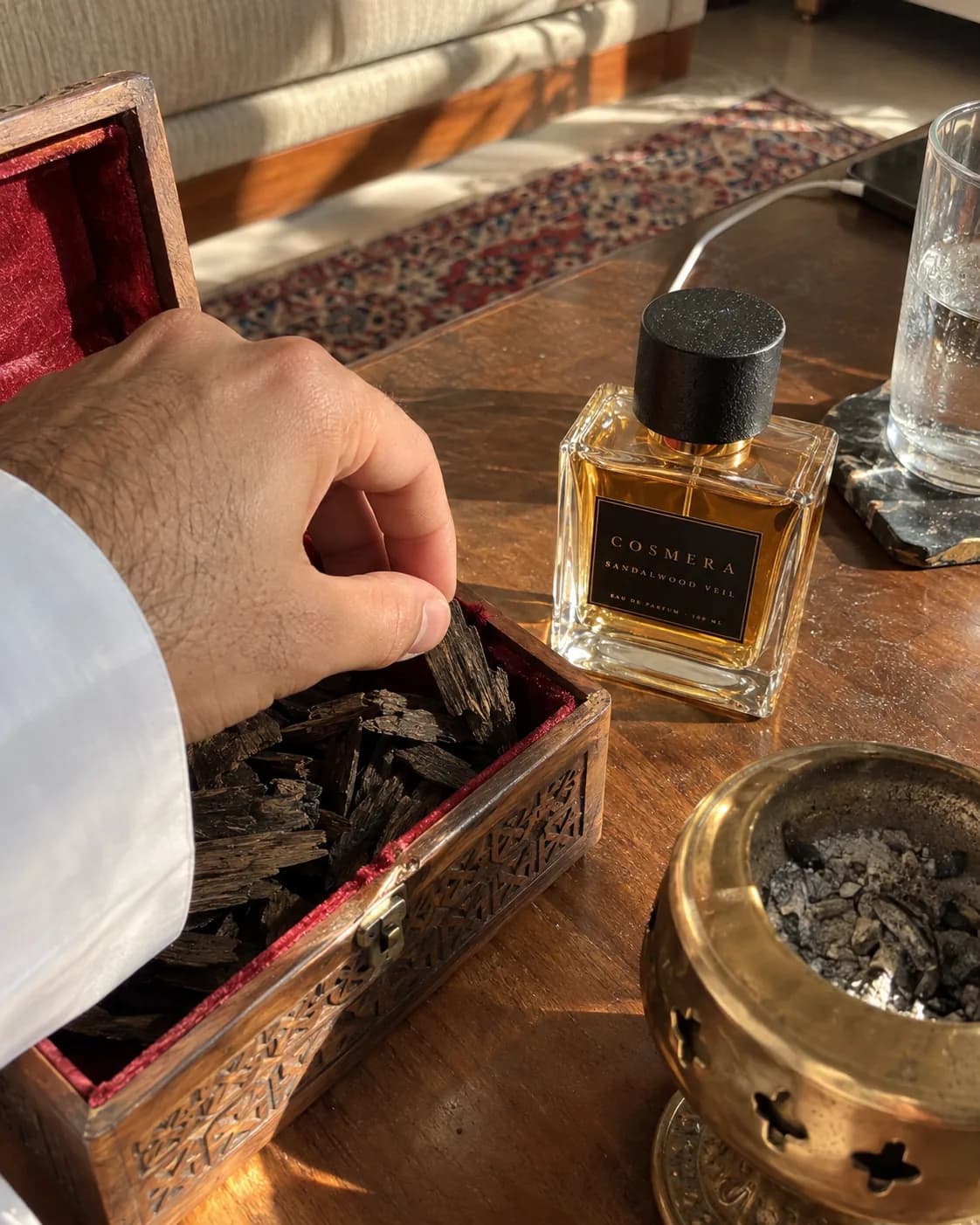
Temperature decides how quickly a fragrance leaves your skin. In strong heat everything projects harder and burns off sooner, which is why a rich amber can feel overwhelming in August. In cooler air the same perfume opens slowly and stays closer to you. Vanilla, tonka, oud and tobacco felt like too much in July. In November they feel right.
Fresh scents go the other way. A light citrus that felt clean at the height of summer can vanish within an hour on a cool evening, before you have even sat down to dinner.
What to reach for
You don’t need to swap everything at once. For daytime, keep something fresh but with more weight underneath it. A citrus with woods or musk in the base will carry you much further than one that is all lemon. Evenings are where the season really changes. This is the time for amber, spice and oud.
Winter here is short. Make the most of the scents that only work in it.
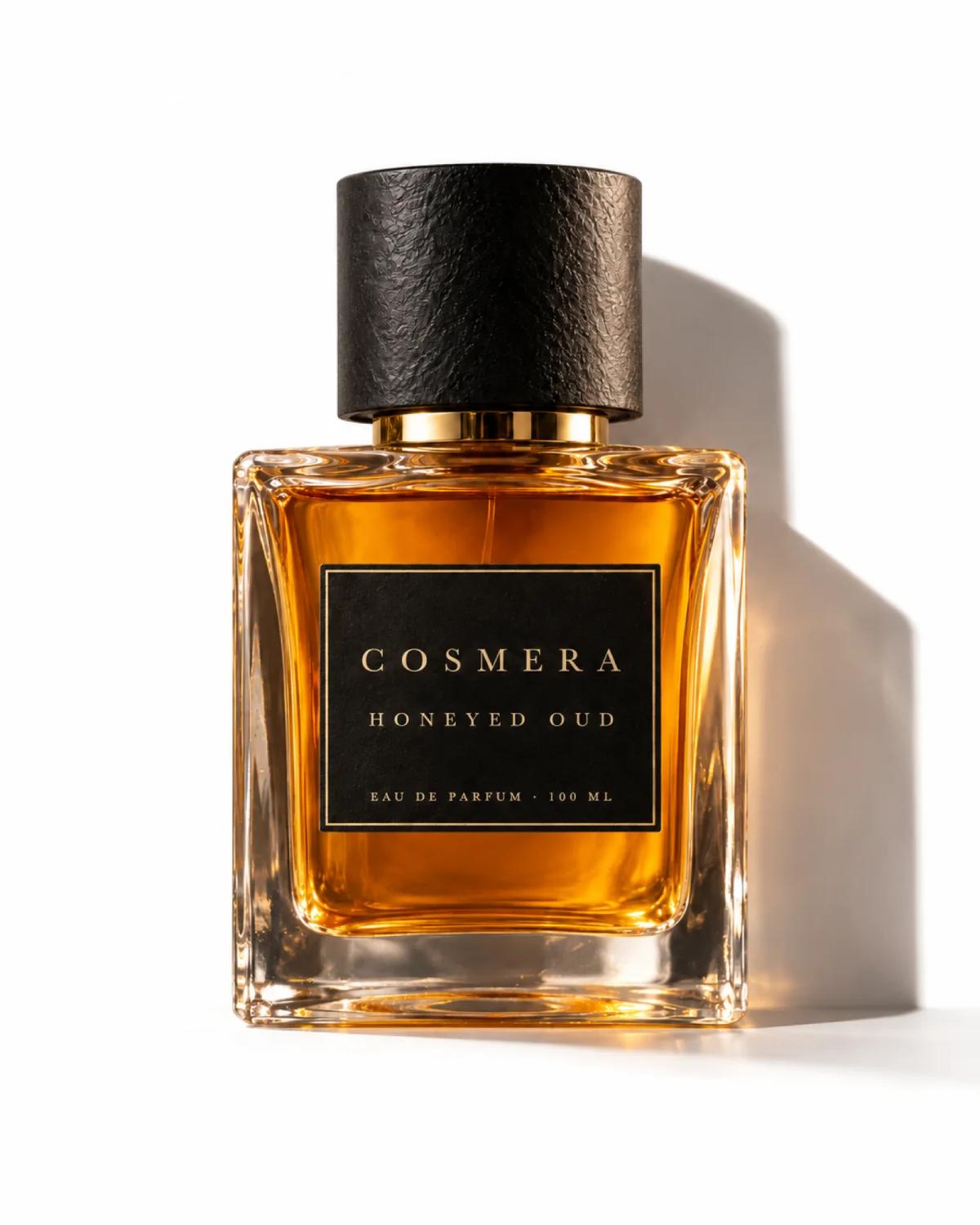
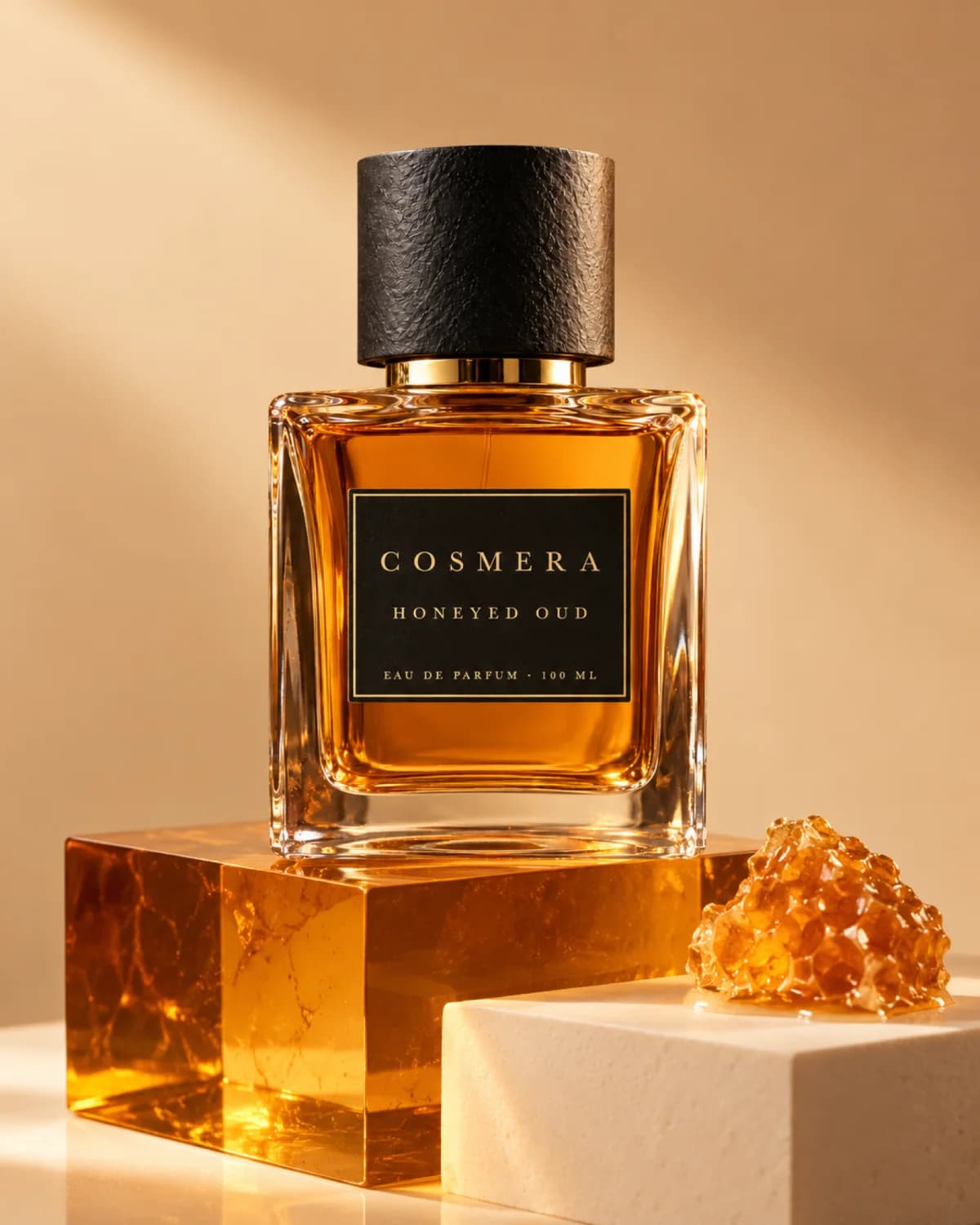
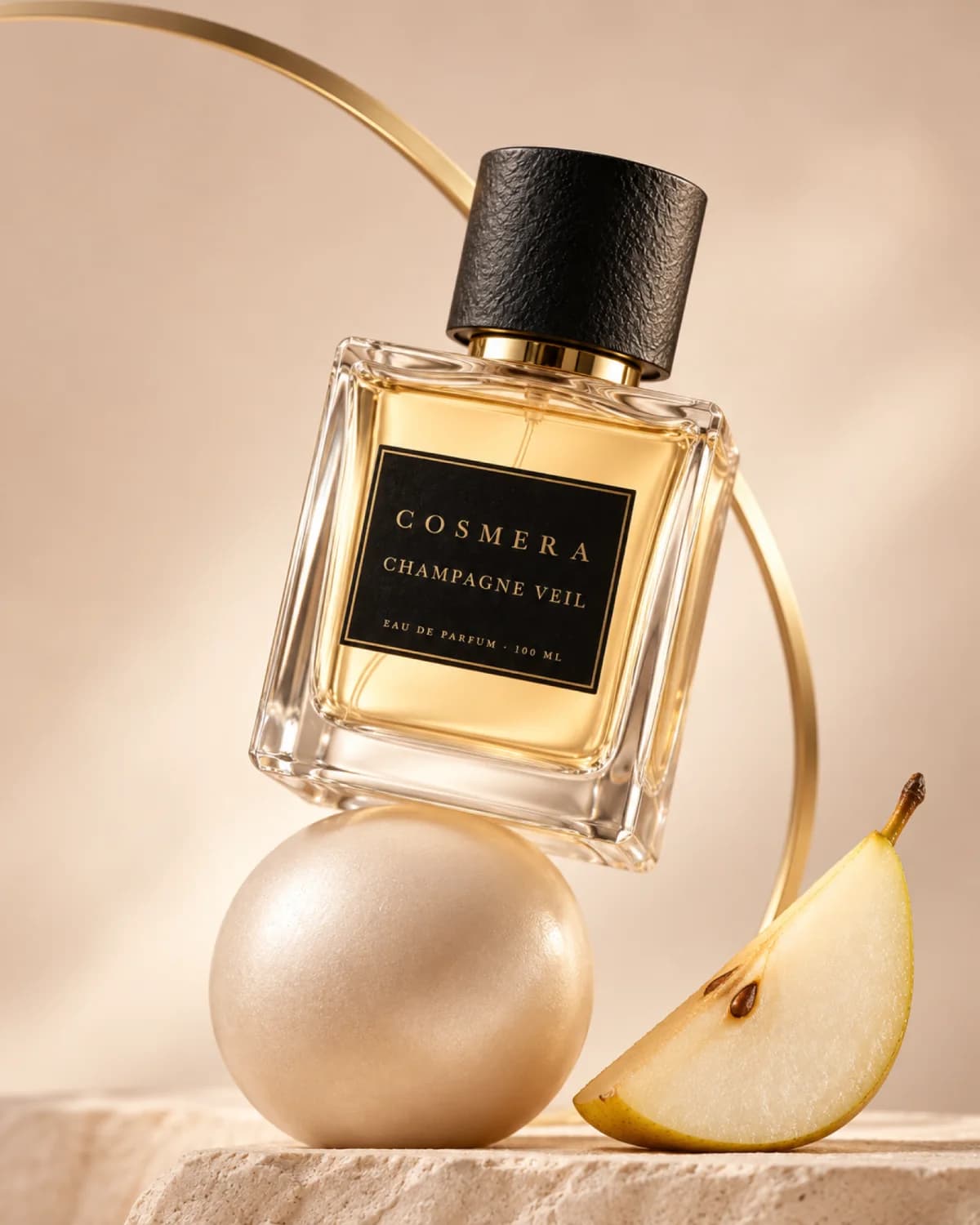
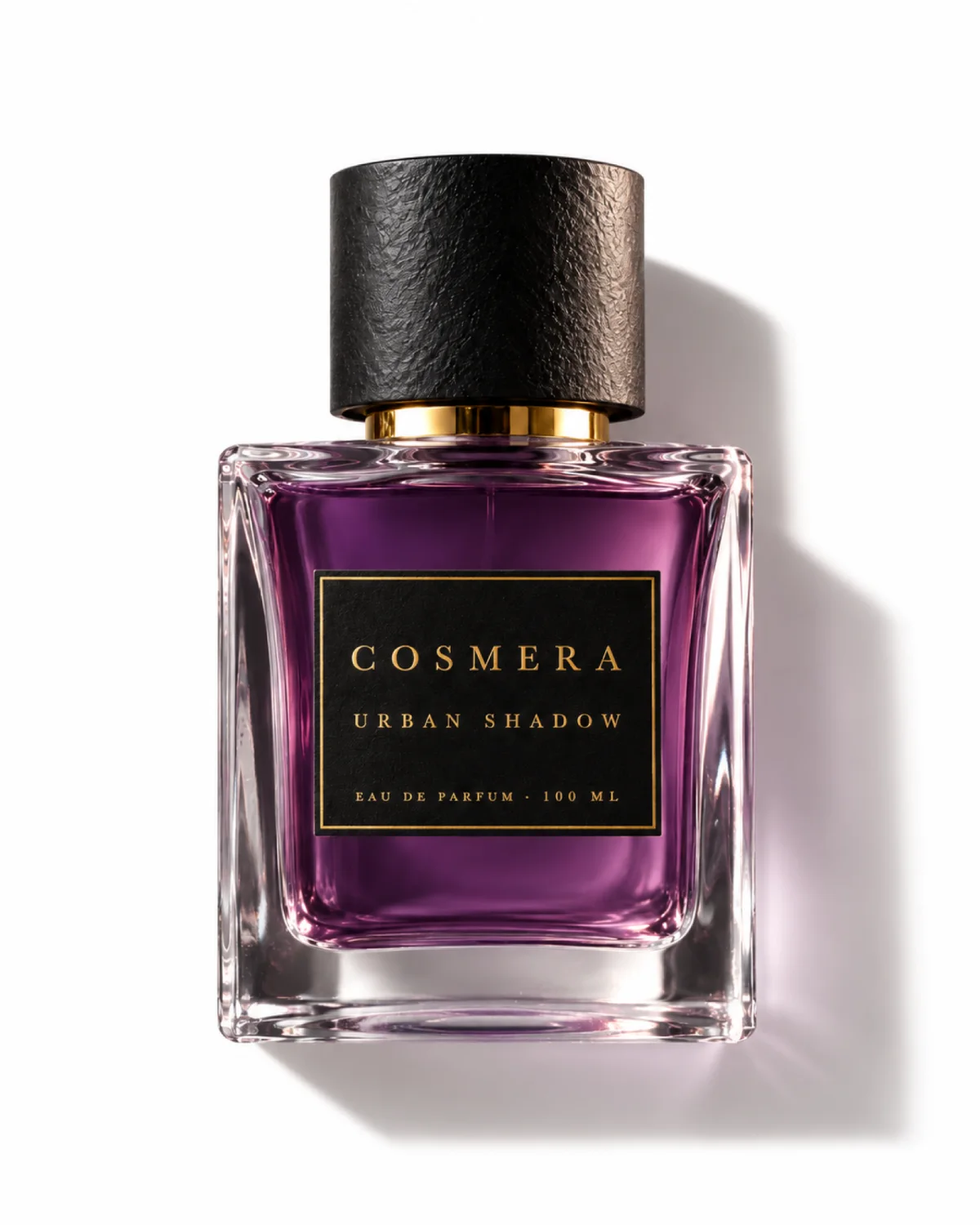
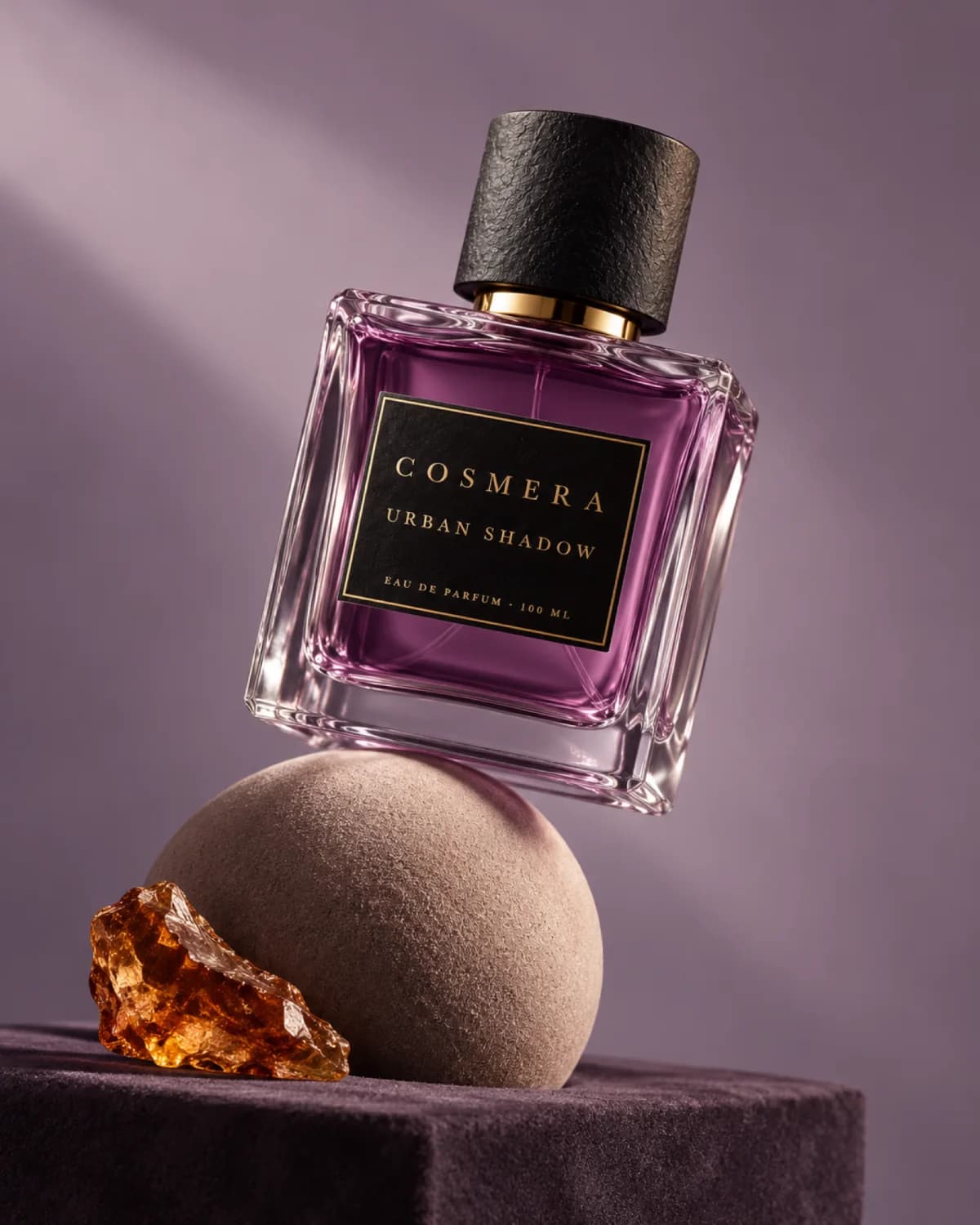
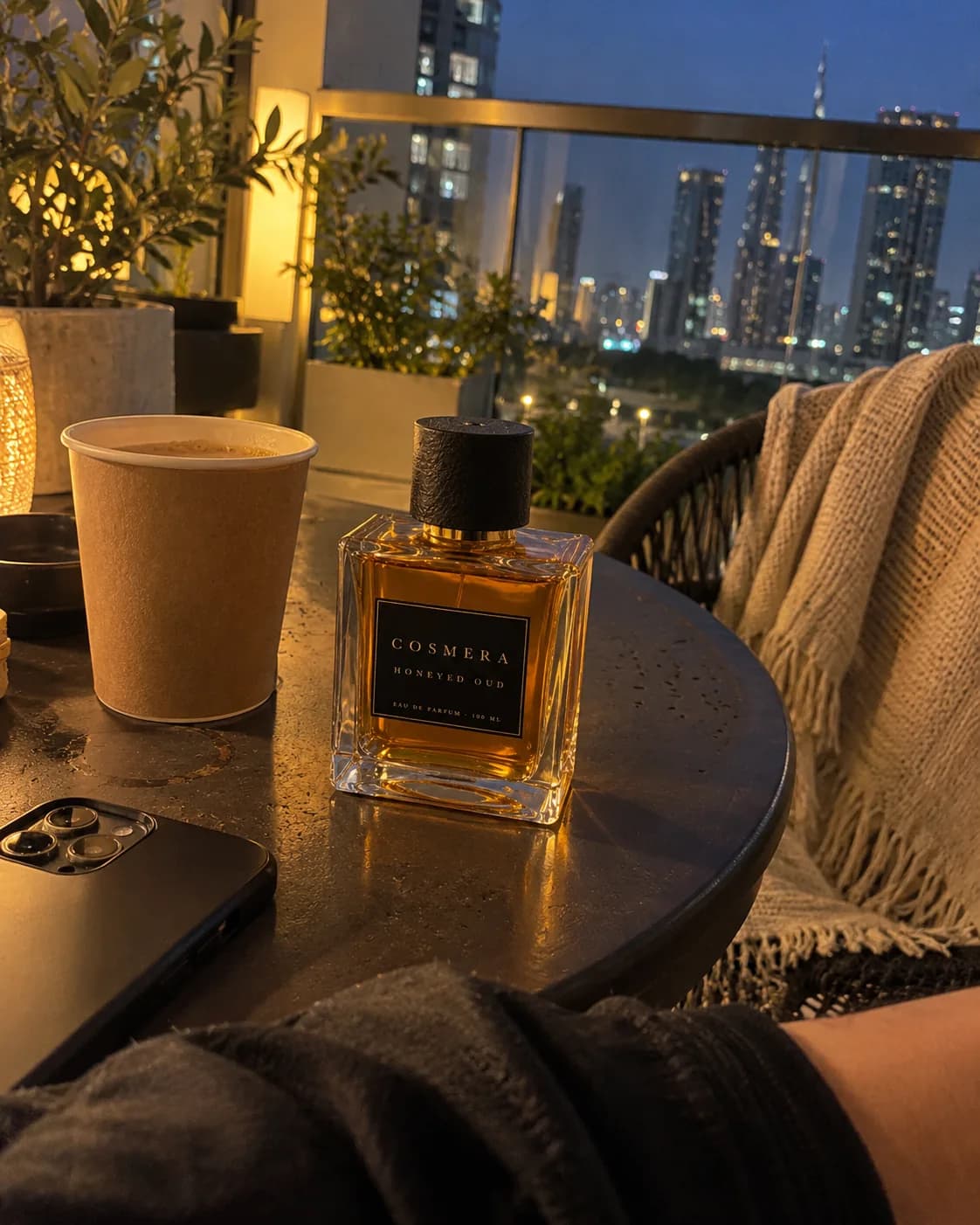
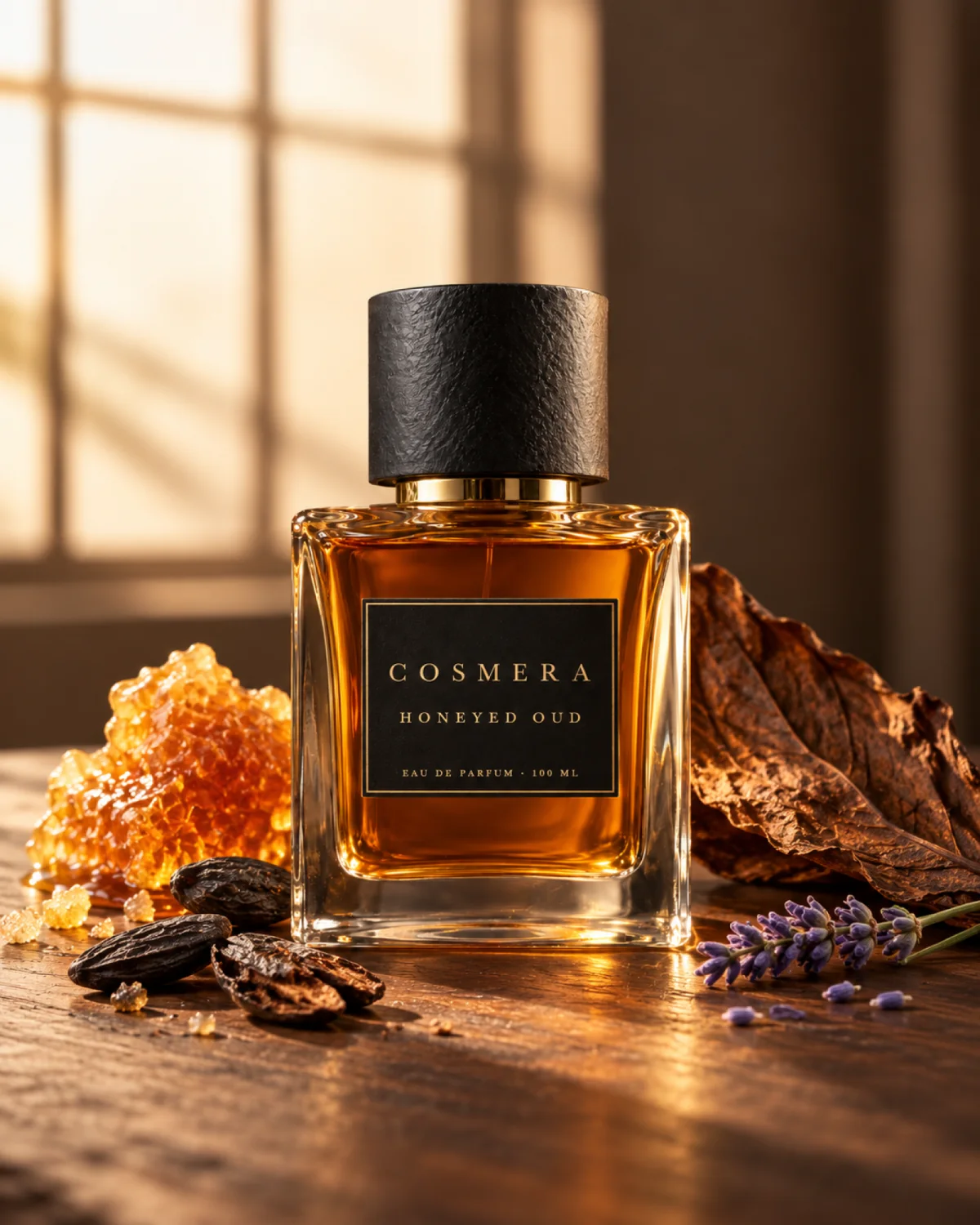
From our own shelf, Honeyed Oud is a gentle first step into the warmer side. Lavender and mint open it, honey and vanilla follow, and it settles on tobacco and tonka. Champagne Veil does the same for anyone who likes something softer, with pear and iris over praline. Urban Shadow, all toffee and cinnamon on a suede base, was made for the first cool nights out.
Look after the summer bottles
Before you put them away, think about where. Heat and light are what spoil perfume, and a bathroom shelf or a car in the UAE will turn a good fragrance sour within months. A drawer or a wardrobe away from the window keeps it as it was. Keep the cap on too, so less air gets in.
Then in April, swap them back.